
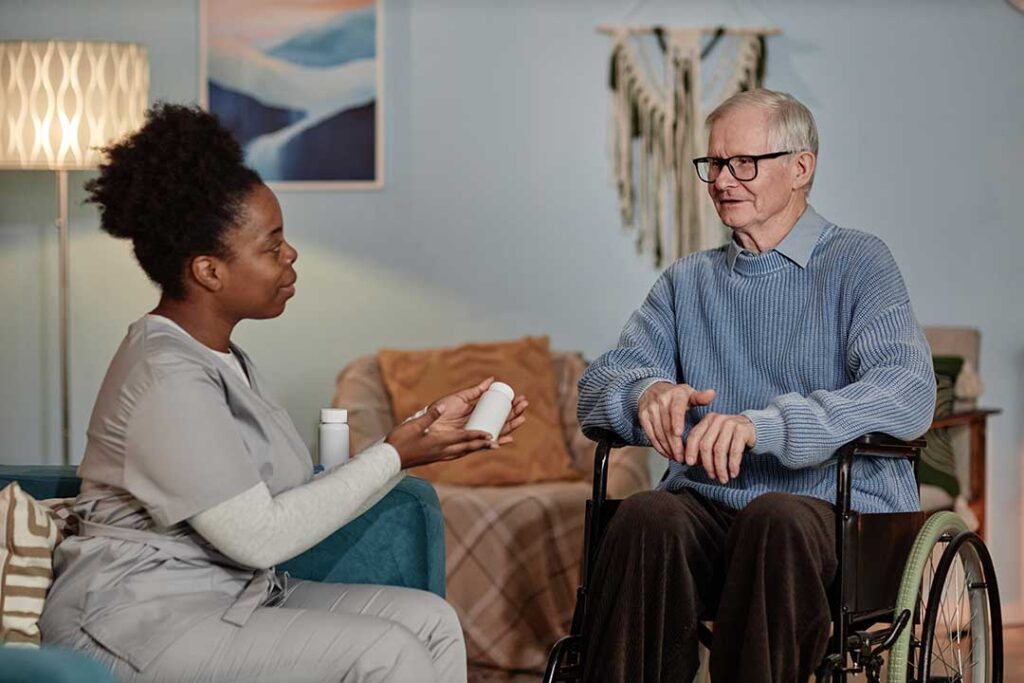
How Can Residents Maintain Relationships After Moving Into Assisted Living?
Moving to assisted living can bring major changes to daily routines and relationships. Many residents worry about losing touch with family and friends. With some planning and the right approach, meaningful social connections can remain strong. Common concerns—such as feeling isolated, not seeing people as much, or adapting to new schedules—are shared by many residents and their loved ones, but there are effective ways to stay close.
What Communication Tools Are Most Useful for Residents?
Simple communication methods often work best. For many residents, familiarity and ease of use matter most, especially if they're not comfortable with digital technology. Popular options include:
- Regular phone calls using landline or mobile phones offer comfort and routine.
- Sending and receiving letters or cards adds a personal touch and physical keepsake.
- Scheduled video calls, when possible, let families see faces and share smiles—tablets or community computers can help with setup.
- Sharing favorite photos or homemade crafts, which can be displayed in living spaces.
Many local residents find that sticking to a weekly call or sending letters builds consistency and gives everyone something to look forward to, which can be especially comforting in the winter months when travel may be difficult.
How Can Family Visits Be More Enjoyable and Comfortable?
Enjoyable visits often rely on communication and a bit of preparation. Coordinating with assisted living staff about timing, space, and resident needs can help everyone feel more relaxed.
Residents and families have found these strategies useful:
- Choose quiet times outside of meal hours for less crowded, calmer visits.
- Bring activities everyone enjoys, such as card games, puzzles, or looking at old photo albums.
- Spend time outdoors together in pleasant weather, making use of available patios or gardens.
- Keep visits flexible—some days a short check-in might be best, while other times a longer visit feels right.
Bringing small comforts from home, such as a favorite snack or book, can make get-togethers feel more personal. Simple visits, even if brief, often mean more than elaborate outings.
What Are Some Ways to Celebrate Special Occasions?
Celebrating birthdays, anniversaries, and holidays helps maintain a sense of belonging. Assisted living communities often have shared spaces that can be reserved for small gatherings, allowing for family traditions to continue.
Residents can:
- Share homemade treats or favorite local foods with visitors.
- Involve friends or fellow residents in small gatherings for cake or conversation.
- Decorate living spaces with cards or seasonal items sent by loved ones.
- Use video calls for group celebrations if family members live far away or during inclement weather.
It helps to talk with family and staff in advance about any special dietary needs, mobility issues, or preferences for quieter celebrations.

How Can Residents Stay Connected to the Larger Community?
Many residents want to remain involved with the local community in ways that feel meaningful. Some practical options include:
- Sending and receiving community newsletters, event calendars, or church bulletins.
- Participating in group activities organized by the assisted living staff—such as crafts, music sessions, or discussion groups—which may involve local volunteers.
- Attending virtual or in-person local events when possible, including faith services, seasonal fairs, or club meetings.
Residents often find comfort in continuing past traditions or following local events, even if only through reading or phone conversations with friends outside the building.
Are There Creative Ways to Build New Bonds in Assisted Living?
Adapting to assisted living sometimes means building fresh connections in a new environment. Many residents are surprised by how strong new friendships can become:
- Sharing meals with different neighbors fosters conversation and helps ease feelings of loneliness.
- Participating in group games or classes introduces residents to others with similar interests.
- Contributing to shared projects, such as a community garden or library, builds a sense of teamwork and belonging.
- Joining regular discussion groups about books, news, or hobbies encourages new perspectives.
Simple acts of reaching out—such as introducing oneself to a new neighbor or inviting someone for a walk—can lead to meaningful support networks.
What Are Common Misconceptions About Staying Connected?
Some residents believe that moving to assisted living means a major loss of independence in relationships. In reality, many find they have more time and energy to enjoy visits and calls when daily responsibilities are lightened. Another misconception is that technology is necessary for staying close; while helpful for some, many residents maintain strong relationships using traditional methods.
Families sometimes fear that visits are a burden or that loved ones feel forgotten. Most residents appreciate any contact, regardless of frequency or length. Consistency, rather than extravagance, usually matters most.
