
What Does "Feeling at Home" Really Mean in Assisted Living?
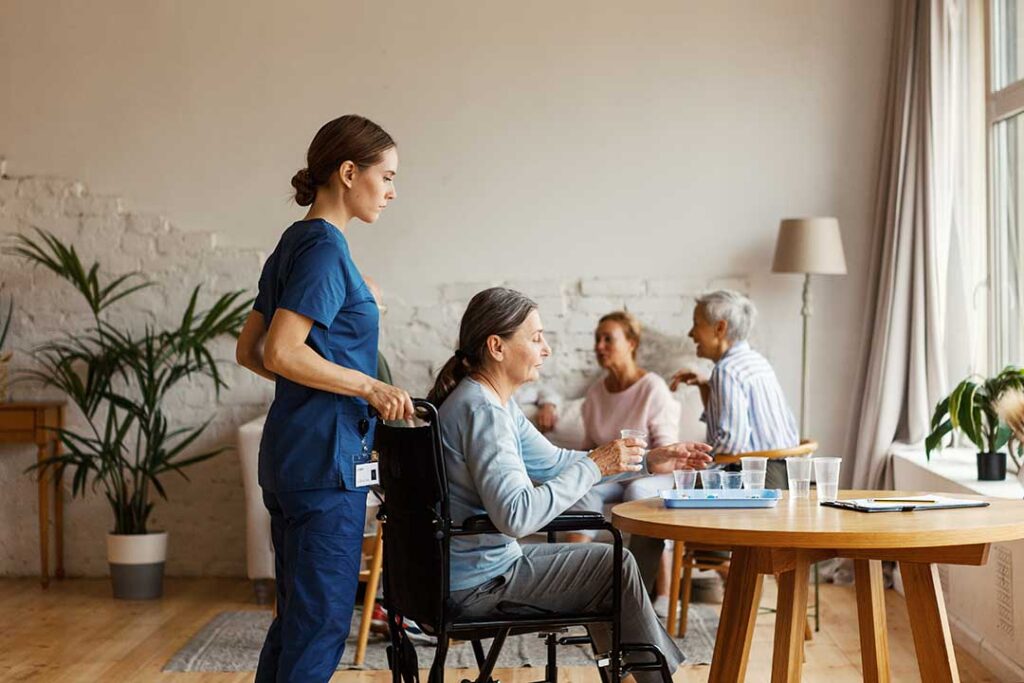
Feeling at home is about comfort, familiarity, and a sense of belonging—even in a new setting like an assisted living community. For many in Pittston, this sense goes beyond simply bringing belongings; it involves routines, social connections, and personal autonomy. Understanding what truly gives each person a sense of home sets the stage for a positive experience.
How Can Personal Belongings Transform a New Space?
Bringing cherished items can make even the most neutral room feel welcoming. Residents often wonder if they can personalize their space, and the answer is yes within reasonable safety and space guidelines. Favorite blankets, framed family photos, and personal books are typical choices.
- Choose bedding and décor that reflect comfort and personality.
- Display family photographs or handmade gifts within easy view.
- Use familiar mugs, lamps, or clocks from the previous home to maintain routine.
Careful use of personal items is especially valuable during long winters in Pittston, when people spend extra time indoors and need cozy surroundings.
Are Daily Routines Possible in Assisted Living?
Maintaining familiar daily habits can be reassuring after a move. Most assisted living communities in Pittston support residents in keeping their usual wake-up times, mealtimes, or evening rituals where possible. Staff can help adapt routines to the new environment.
Some examples:
- Continuing morning walks in the courtyard or around local paths when weather allows.
- Drinking tea or reading at the same time each day.
- Participating in religious observances or hobbies as before.
Residents benefit from communicating favorite routines to caregivers early on to ease the transition.
How Can Relationships Help Residents Settle In?
Positive social connections are a critical part of feeling at home. Local residents sometimes worry about starting over socially, but assisted living often provides new opportunities for friendship and support.
- Participate in organized activities, but also look for informal gatherings like card games in common rooms.
- Take advantage of group trips or hobby clubs tailored to area interests.
- Don’t overlook the value of shared meals; these are a natural way to spark conversation and find common ground.
Family visitors can help by attending events or meals, introducing themselves, and strengthening the resident’s feeling of continuity between their old and new communities.
What Role Does Local Familiarity Play?
People moving within the Pittston area often find comfort in community features that feel familiar—from the view of local hills to seasonal celebrations that reflect the region’s traditions. Residents can enhance their sense of home by:
- Decorating with items that reference Pittston traditions, sports teams, or local art.
- Engaging in community activities or clubs that center on local history or current events.
- Observing the seasons through window gardens or crafts that echo the local weather, such as autumn leaf decorations during Pennsylvania fall.
This connection can be especially valuable for those who have lived in Pittston for decades and want to maintain their roots.
Can Residents Influence Their Own Living Experience?
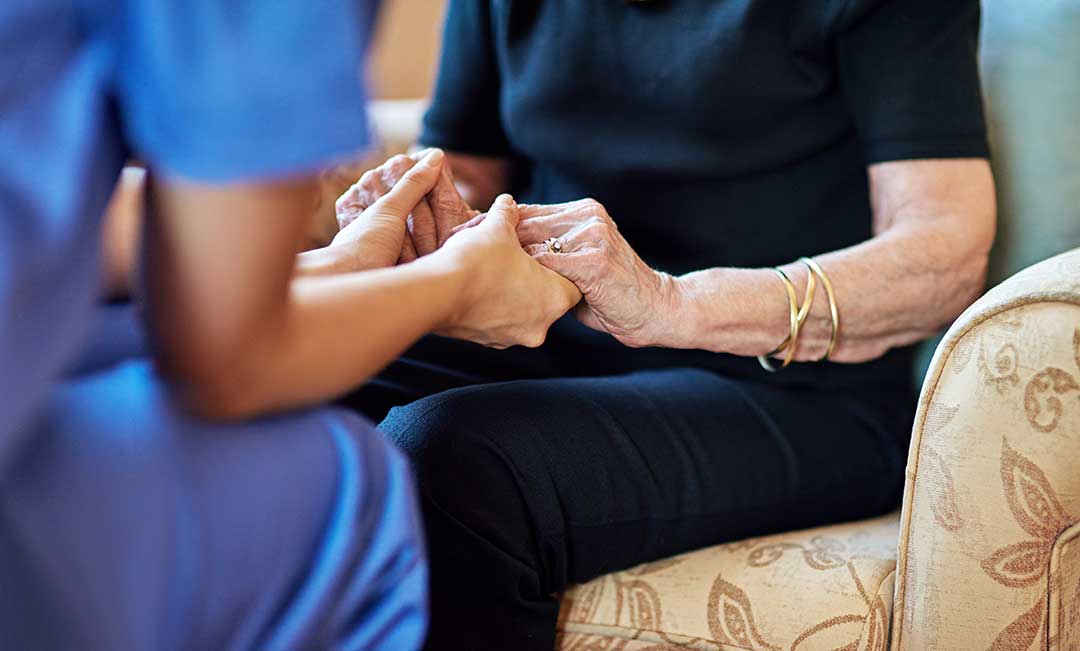
Residents may assume their input is limited, but most assisted living settings encourage feedback. If a certain meal, activity, or tradition is important, speaking up can lead to simple changes that improve daily life for everyone.
Examples include:
- Suggesting favorite recipes for dining menus, especially if they reflect local or family traditions.
- Proposing new activities, like area history talks or seasonal craft workshops.
- Sharing feedback about room comfort or facility logistics, such as airflow or lighting preferences that may be adjusted.
This kind of participation strengthens the sense of control and belonging that marks any good home environment.
Overlooked Factors That Make a Big Difference
Some commonly overlooked details can strongly impact whether a new living space feels like home in Pittston:
- Lighting: Supplementing overhead fixtures with table lamps or softer bulbs creates a more relaxing, recognizable atmosphere.
- Scent: Using safe diffusers or familiar lotions can provide comforting sensory cues, but always check safety guidelines.
- Temperature: Area residents know Pittston winters can be long; keeping favorite sweaters or blankets accessible adds warmth and comfort on cold days.
- Privacy: Having a comfortable spot for personal time—such as a chair by the window or headphones for music—helps maintain independence and peace, especially in shared living arrangements.
Attention to these small things often makes everyday life easier and more meaningful.
What Should Residents Expect During the First Month?
The first few weeks can feel overwhelming, but patience is key. Adjusting to new routines, faces, and surroundings takes time. Many residents in Pittston rely on seasonal rhythms—spring’s arrival or familiar holiday decorations—as anchor points in the adjustment process.
- Stay connected with loved ones through regular calls or visits.
- Allow room for sadness and nostalgia, which are normal, and try not to rush the process.
- Ask lots of questions, from how to access local news to guidelines for decorating or participating in events.
Everyone adapts differently, and comparing progress to others usually makes the process harder, not easier. Combining patience with these practical strategies can make a noticeable difference in creating a home-like feeling.
