
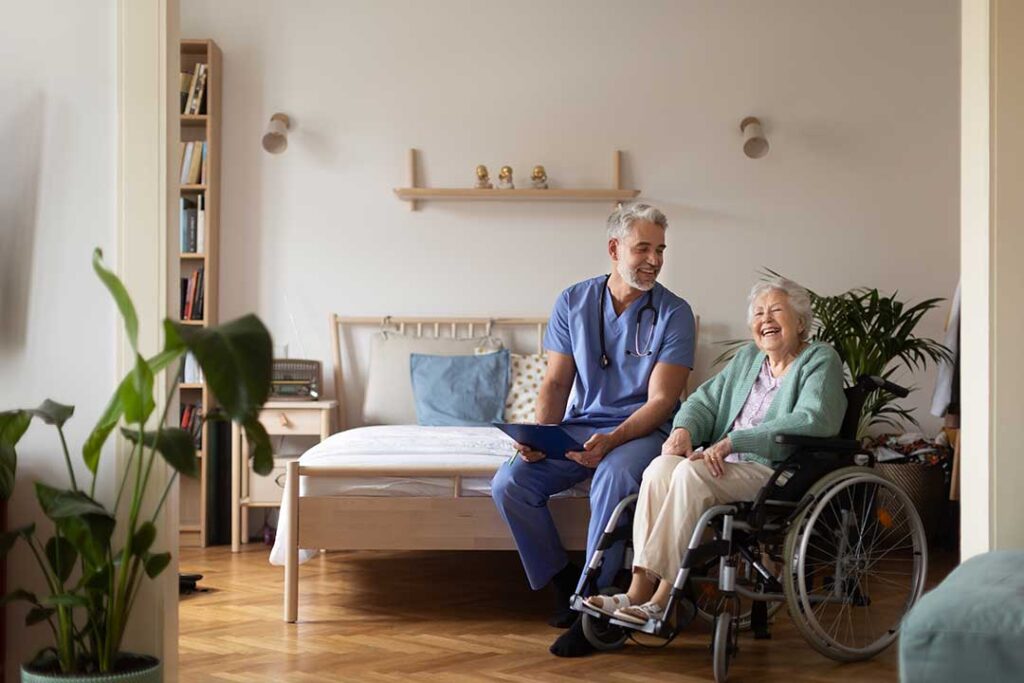
Moving to assisted living does not always mean leaving a beloved pet behind. In Pennsylvania, each assisted living residence must state in its rules whether pets are permitted, and applicants must be told whether pets are allowed and whether animals are already present. The details—such as species, size, number, fees, and caregiving responsibilities—are usually decided by the individual residence. ([pa.gov](https://www.pa.gov/content/dam/copapwp-pagov/en/dhs/documents/providers/documents/human_services_licensing/assistedlivingresidencelicensing/p_023324.pdf?utm_source=openai))
Are pets allowed in assisted living residences?
Sometimes. There is no single pet policy that applies to every assisted living residence in Pennsylvania. A residence may allow pets in private apartments, permit only certain animals, or allow animals to visit without permitting residents to keep them permanently.
Pennsylvania regulations require the residence’s rules to specify whether pets are permitted. If pet-related charges apply, those charges must be included in the resident-residence contract. The residence must also disclose its pet policy to applicants before admission. ([pa.gov](https://www.pa.gov/content/dam/copapwp-pagov/en/dhs/documents/providers/documents/human_services_licensing/assistedlivingresidencelicensing/p_023324.pdf?utm_source=openai))
A policy may address:
- Dogs, cats, birds, fish, or other animals
- Weight, breed, or size restrictions
- Limits on the number of pets
- Where pets may go inside the building
- Leash, carrier, or supervision requirements
- Who provides food, grooming, exercise, and veterinary care
- What happens if a resident can no longer care for the animal
A verbal statement that “pets are allowed” is not enough to understand the arrangement. The written rules and contract should be reviewed carefully.
What health requirements apply to pets?
Cats and dogs present at a Pennsylvania assisted living residence must have a current rabies vaccination, with a certificate from a licensed veterinarian kept on file. Animals accessible to residents must be in good health and non-aggressive. ([pa.gov](https://www.pa.gov/content/dam/copapwp-pagov/en/dhs/documents/providers/documents/human_services_licensing/assistedlivingresidencelicensing/p_023324.pdf?utm_source=openai))
A residence may also request additional records, such as:
- Proof of other vaccinations
- Veterinary contact information
- Flea and tick prevention records
- A recent health examination
- Documentation of spaying or neutering
- Information about the animal’s behavior around strangers, mobility equipment, or groups
These requirements protect both residents and animals. In a setting where people may have weaker immune systems, allergies, balance concerns, or memory-related conditions, an animal’s health and behavior can affect the wider community.
Who is responsible for daily pet care?
In most cases, the resident remains responsible for the animal unless another arrangement is documented. Assisted living staff may help with a resident’s personal care, medications, meals, or mobility, but that does not automatically mean staff will walk a dog, clean a litter box, arrange veterinary visits, or pay for pet supplies.
Before moving, the resident and family should create a practical care plan covering:
- Feeding and fresh water
- Bathroom needs and accidents
- Exercise and outdoor access
- Grooming and nail care
- Medication for the animal
- Veterinary appointments
- Emergency boarding or temporary care
- Long-term care if the resident is hospitalized or dies
This question is especially important for residents whose mobility, vision, strength, or memory may change over time. A pet policy may allow an animal at move-in but require a different plan if the resident later cannot safely provide care.
Can a residence restrict where a pet goes?
Yes. Even pet-friendly residences may limit animals to certain areas. Common restrictions include keeping pets out of dining rooms, kitchens, medication areas, treatment spaces, or particular shared lounges.
A dog may need to be leashed in hallways and elevators. A cat may need to remain indoors or be transported in a carrier. A bird or small animal may require a secure enclosure. These rules help address allergies, fear of animals, fall hazards, sanitation, and the comfort of other residents.
The physical layout matters. In a dense building, a loose animal can quickly enter shared areas or encounter residents who are unsteady, startled by animals, or unable to move out of the way. During icy or snowy weather, outdoor dog-walking also requires extra attention to traction, visibility, and paw care.
What if another resident has allergies or is afraid of animals?
A residence has to balance the resident’s relationship with the pet against the health, safety, and rights of other residents. A pet may be restricted from certain rooms or common areas if another resident has a serious allergy, phobia, or medical concern.
Possible solutions may include:
- Assigning pet-friendly rooms in a particular section
- Using designated walking routes
- Keeping the animal away from shared seating or dining areas
- Improving cleaning and ventilation practices
- Creating separate spaces for residents with and without animal exposure

The goal is not always to remove the animal. A workable arrangement may be possible, but it should be discussed before admission rather than after a conflict develops.
Are service animals and emotional support animals treated differently?
Usually, yes. A pet is kept primarily for companionship, while a service animal is trained to perform specific tasks for a person with a disability. Emotional support animals may provide disability-related assistance through their presence but are not necessarily trained to perform tasks.
The legal rules can depend on the residence’s structure, the animal’s function, and whether housing protections apply. The ADA explains that other laws, including the Fair Housing Act, may apply to housing situations involving service animals or other assistance animals. A vest is not required for a dog to be a service animal. ([ada.gov](https://www.ada.gov/topics/service-animals/?utm_source=openai))
A residence should not treat every assistance animal as an ordinary pet without considering disability-related accommodation requirements. At the same time, an assistance animal may still be excluded or restricted if it is uncontrolled, not housebroken, aggressive, or creates a direct safety risk.
Residents should ask for the residence’s written process for requesting an accommodation. Medical documentation, vaccination records, behavior information, or other details may be requested depending on the situation.
What should families ask before signing a contract?
The most useful questions are specific and written. Ask:
- Are resident-owned pets permitted in private rooms or apartments?
- Which species, sizes, and breeds are accepted?
- Are there limits on the number of animals?
- Are deposits, monthly fees, or cleaning charges required?
- Who handles daily care if the resident is temporarily unable to do so?
- What happens during hospitalization, rehabilitation, or evacuation?
- Where may the animal go inside and outside the residence?
- Are pets allowed during a move to a higher level of care?
- What records must be provided before move-in?
- What behavior or health problems could result in removal?
- Are visiting animals subject to different rules?
- How are allergies, bites, scratches, noise, and sanitation concerns handled?
The answers should appear in the residence rules, contract, pet addendum, or accommodation paperwork. Pennsylvania’s Department of Human Services recommends asking about rules concerning pets and reviewing contract provisions when evaluating a personal care home or assisted living residence. ([pa.gov](https://www.pa.gov/agencies/dhs/resources/aging-physical-disabilities/personal-care-homes?utm_source=openai))
What is the difference between a pet-friendly residence and a residence with visiting animals?
A residence may welcome therapy animals, family pets, or scheduled animal visits without permitting residents to keep animals in their rooms. These are separate policies.
A visiting-animal program may provide companionship while leaving feeding, veterinary care, and emergency planning to the program or the visitor. Resident-owned pets create continuing responsibilities that affect housing, sanitation, staffing, and emergency procedures.
Families should ask whether “pets allowed” means residents may own animals or only that visitors may bring them.
For households in Pittston, PA, seasonal planning can be just as important as the admission decision. Snow, ice, cold temperatures, and wet spring conditions can complicate outdoor exercise and transportation to veterinary appointments. A reliable backup caregiver and an indoor plan for exercise, cleanup, and companionship can help prevent a pet policy from becoming a safety problem later.
