
Moving into assisted living is easier when personal belongings are chosen for daily comfort, safety, and simplicity. The goal is not to recreate an entire household. A well-planned move usually includes familiar items that support routines while leaving out belongings that create clutter, confusion, or unnecessary safety risks.
What should be packed first?
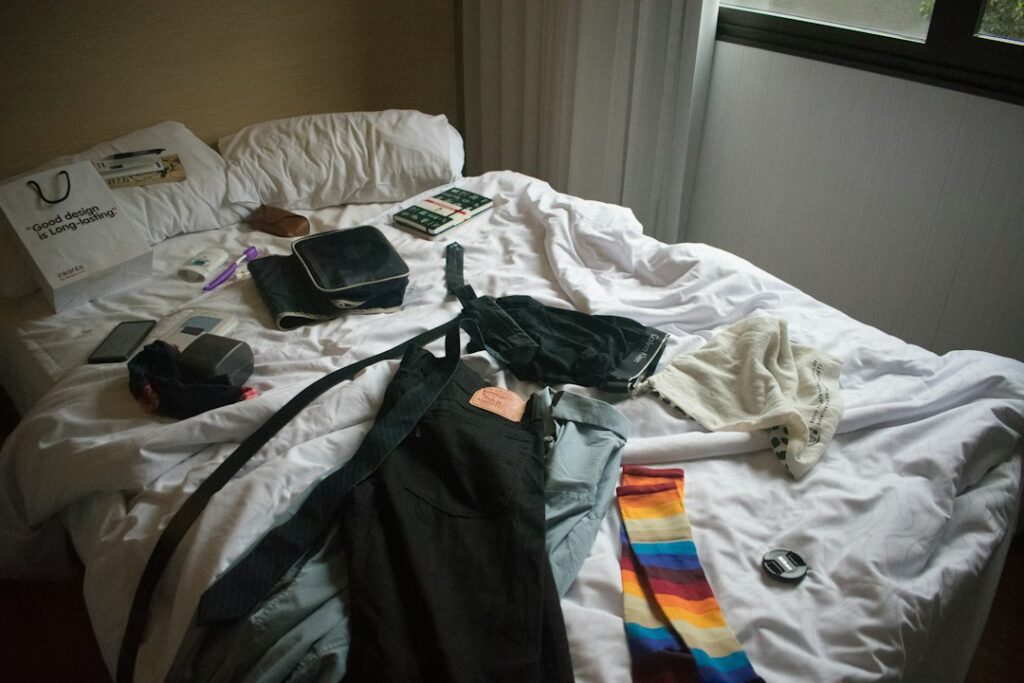
Start with the items needed during the first few days: medications, identification, comfortable clothing, personal care supplies, important paperwork, and a small number of familiar belongings. Pack these essentials separately so they are easy to find during move-in.
A practical first-day bag may include:
- Current medications in their original labeled containers
- A medication list with doses, prescribing information, and emergency contacts
- Identification, insurance cards, and medical records requested by the residence
- Comfortable clothes for several days
- Toiletries and personal care items
- Glasses, hearing aids, dentures, chargers, and mobility aids
- A phone or other communication device
- A small comfort item, such as a favorite blanket or family photograph
Do not place medications loose in a suitcase or pill organizer unless the residence has specifically approved that arrangement. Medication storage and administration rules vary, and staff may need to receive and document prescriptions during move-in.
How much clothing is enough?
Most residents need fewer clothes than they expect. A manageable wardrobe makes dressing easier, reduces laundry confusion, and leaves more room for items that are used every day.
A reasonable starting wardrobe may include:
- Seven to ten comfortable tops
- Five to seven pairs of pants, skirts, or other preferred bottoms
- Several changes of underwear and socks
- Two or three sleep outfits
- A sweater or light jacket for cooler indoor areas
- Comfortable shoes with secure soles
- Slippers with firm, non-slip bottoms
- A coat, hat, gloves, and weather-appropriate footwear
- A small number of dressier outfits for appointments, gatherings, or family events
Choose clothing that is easy to put on and remove. Elastic waistbands, front-opening tops, large fasteners, and soft fabrics can be helpful for residents with arthritis, limited hand strength, or memory-related changes.
Label clothing with the resident’s name using a method that will not damage the fabric. Seasonal clothing can be stored at home and exchanged later, which is especially practical in Pittston, PA, where wardrobes may need to change from snowy winter conditions to warm, humid summers.
What personal items make a new room feel familiar?
Familiar objects can reduce the stress of a move and help a new room feel more personal. Select a few meaningful items rather than bringing every decoration from home.
Useful choices include:
- Framed family photographs
- A favorite quilt, throw, or pillow
- A small clock or calendar with large, easy-to-read numbers
- Familiar books, magazines, or devotional materials
- A radio, tablet, or music player
- A small collection of artwork or keepsakes
- A favorite chair, if the room layout and residence rules allow it
- A scent-free personal comfort item, such as a familiar blanket
Avoid placing valuable jewelry, irreplaceable documents, expensive collectibles, or large amounts of cash in the room. Even in a supportive setting, smaller personal inventories are easier to protect and manage.
Photographs can be especially helpful for residents experiencing memory loss. Consider creating a simple photo display with names and relationships written on the back or in a nearby album.
Which bathroom and personal care supplies are needed?
Pack the personal care products the resident uses regularly, while checking what the residence supplies. Some communities provide basic items, while others expect residents to bring specific toiletries.
Common supplies include:
- Toothbrush, toothpaste, and denture supplies
- Comb, brush, and preferred hair-care products
- Shampoo and body wash, if not provided
- Moisturizer and lip balm
- Electric or standard shaving supplies
- Deodorant
- Incontinence products, if needed and not supplied
- Nail-care items, following the residence’s safety guidelines
- A small toiletry container or organizer
Avoid transferring liquids into unmarked containers. Clear labels help prevent mix-ups, particularly when several products look similar.
Residents with sensitive skin may want to bring familiar products, but strong fragrances can affect other residents and staff. Fragrance-free or lightly scented items are often a considerate choice.
What medical and mobility items should come along?
Bring essential medical equipment only after confirming what the residence provides and what will fit safely in the room. Extra equipment can create trip hazards or interfere with housekeeping.
Possible items include:
- Eyeglasses and a protective case
- Hearing aids, batteries, and a labeled storage container
- Dentures and denture-care supplies
- Cane, walker, wheelchair, or other mobility equipment
- A blood pressure monitor, if routinely used and permitted
- A properly fitted personal alert device, if recommended as part of the care plan
- Inhalers, glucose-monitoring supplies, or other prescribed equipment

Every mobility aid should be clearly labeled. Check that walkers and wheelchairs are in good working condition, with secure brakes, intact rubber tips, and no loose parts. The room should maintain clear walking paths from the bed to the bathroom and doorway.
What documents should families organize?
Important documents should be gathered before moving day and kept in a secure, accessible location. The exact paperwork required depends on the residence and the resident’s care needs.
Organize copies of:
- Government identification
- Insurance information
- Medication and allergy lists
- Medical history and current diagnoses
- Names and phone numbers for healthcare contacts
- Emergency contact information
- Advance directive or healthcare representative documents
- Preferred pharmacy information
- A list of daily routines, food preferences, and communication needs
A one-page personal profile can help staff understand the resident quickly. It might explain preferred wake-up time, bedtime habits, favorite foods, hearing or vision difficulties, signs of distress, and calming activities.
Keep original legal documents secure unless the residence specifically requests them. Families may also want a separate household inventory showing what was brought into the room.
What should not be packed?
Some items are unsuitable because they create safety, fire, sanitation, or storage concerns. Rules differ, so ask for the residence’s written move-in guidelines before packing large appliances or electrical equipment.
Items commonly restricted or discouraged include:
- Candles, incense, and open-flame items
- Portable heaters
- Heating pads or electric blankets without approval
- Extension cords and overloaded power strips
- Weapons or hazardous tools
- Large kitchen appliances
- Unlabeled medications
- Slippery rugs or floor mats
- High-value jewelry and irreplaceable keepsakes
- Excess furniture that blocks walkways
- Food that spoils quickly or attracts pests
Small refrigerators, microwaves, coffee makers, and other appliances may require approval. Even ordinary household items can become unsafe if they produce heat, have exposed cords, or are difficult for staff to monitor.
How can the move be made less stressful?
Pack gradually and involve the resident in decisions whenever possible. A familiar routine may matter more than having a perfectly decorated room on the first day.
Before moving, measure the room and identify where the bed, dresser, chair, and mobility equipment will go. Arrange furniture so the route to the bathroom and exit remains open. Use only a few decorations at first, then add more after the resident has settled.
Create a written inventory of valuables and electronics. Label chargers, glasses cases, clothing, and personal devices. Keep a small supply of replacement batteries and commonly used personal items at home so they can be replenished without overloading the room.
A successful packing plan focuses on comfort, recognition, and daily function. The most useful belongings are usually the ones that help the resident dress, rest, communicate, move safely, and feel connected to familiar people and routines.
