
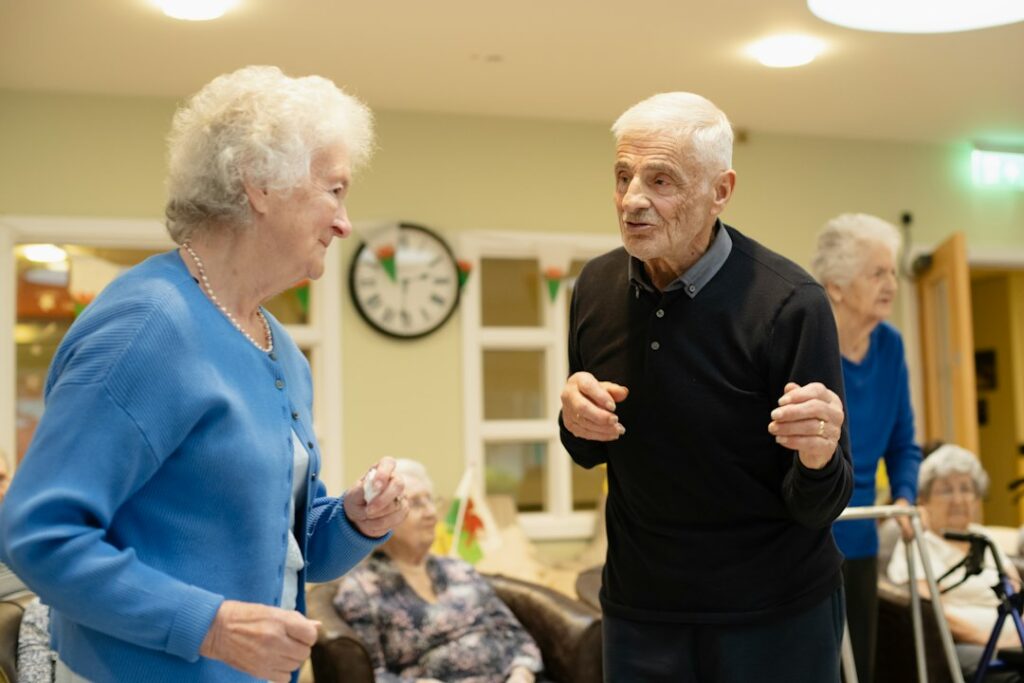
Assisted living can support mental well-being by combining daily structure, social connection, practical help, and opportunities for meaningful activity. For older adults in Pittston, PA, the right setting may reduce isolation and stress while helping residents maintain independence, confidence, and a sense of purpose.
Mental well-being involves more than the absence of depression or anxiety. It includes feeling connected to others, having choices, staying engaged with daily life, and knowing that help is available when needed.
How does assisted living affect emotional health?
Assisted living may improve emotional health by making everyday routines more manageable and less unpredictable. Assistance with meals, medications, bathing, dressing, transportation, or housekeeping can reduce the pressure that often builds when routine tasks become difficult.
For some older adults, struggling with these activities creates frustration or embarrassment. It may also lead to withdrawal from family, friends, or community life. Appropriate support can ease that burden without removing every choice from the resident.
A well-designed care plan should distinguish between tasks a person cannot safely complete and tasks they can still manage with extra time, reminders, or adaptive equipment. Preserving those abilities supports confidence and self-respect.
Can assisted living reduce loneliness?
Regular social contact is one of the clearest ways assisted living can support mental well-being. Residents have more chances to speak with peers, participate in group activities, share meals, and form familiar routines with staff and neighbors.
Loneliness is not always solved by being physically near other people. Meaningful connection usually develops through repeated, comfortable interaction. A resident may prefer a quiet conversation, a small card group, a shared hobby, or attending an activity as an observer before becoming more involved.
Social opportunities may include:
- Shared meals and informal conversation
- Music, crafts, games, or exercise sessions
- Religious, cultural, or educational activities
- Outdoor sitting areas and seasonal gatherings
- Family visits supported by predictable visiting routines
- Small-group programs for residents with similar interests
During winter weather, icy sidewalks, shorter daylight hours, and transportation challenges can make social isolation more likely for older adults living alone. An assisted living environment may provide indoor opportunities for connection when leaving home is uncomfortable or unsafe.
Why do routines matter for mental well-being?
Predictable routines can help reduce anxiety and support orientation. Regular times for waking, meals, medications, activities, rest, and bedtime give the day a familiar rhythm.
A routine is not meant to make every day identical. Residents still benefit from choice and flexibility. The goal is to create a dependable framework while allowing people to decide how they spend their time.
Consistent routines can be especially helpful for people experiencing memory loss. Familiar surroundings, repeated schedules, clear signs, and calm transitions may reduce confusion. Staff should explain changes in advance whenever possible, since unexpected schedule disruptions can be stressful.
Does assisted living help residents maintain independence?
Assisted living is not intended to replace independence. Its purpose is to provide the amount of support needed for safety and daily functioning while allowing residents to make personal decisions.
Independence may look different than it did earlier in life. It can include choosing clothing, deciding when to join an activity, selecting meals, managing personal belongings, calling family members, or helping with a household task.
Residents often feel more capable when assistance is offered respectfully rather than automatically. Helpful practices include asking before stepping in, allowing extra time, explaining what is happening, and avoiding language that sounds childish or dismissive.
Family members can support independence by asking, “What would you like help with?” instead of assuming that every task should be completed for the resident.
What role do meaningful activities play?
Activities support mental well-being when they provide enjoyment, purpose, movement, creativity, or connection. They do not need to be elaborate. Folding towels, tending to plants, listening to familiar music, preparing a simple snack, writing letters, or helping set a table can all be meaningful.
The most useful activities match a resident’s interests, abilities, culture, and past experiences. Someone who never enjoyed competitive games may respond better to conversation, nature, music, or hands-on projects.
Activity participation should also be voluntary. Declining a group event does not automatically indicate a problem. A resident may need quiet time, may feel tired, or may prefer one-to-one interaction. Patterns matter more than a single decision.
A noticeable and lasting loss of interest in nearly everything, especially when combined with changes in sleep, appetite, energy, hygiene, or communication, deserves attention.
How can assisted living support people with memory changes?
Memory-related conditions require patience, consistency, and communication suited to the individual. Assisted living may help by providing reminders, familiar routines, supervision, and structured opportunities for engagement.
Helpful approaches often include:
- Using simple, respectful language
- Giving one direction at a time
- Limiting unnecessary background noise
- Keeping important belongings in consistent locations
- Using calendars, labels, clocks, or visual cues
- Redirecting rather than arguing about mistaken memories
- Recognizing emotions even when the facts are confused

A memory change should not automatically be treated as a normal part of aging. New or worsening confusion can have many causes, including medication effects, infection, dehydration, poor sleep, pain, or another health concern. Sudden changes require prompt medical attention.
What should families watch for?
Families can learn a great deal by observing changes over time rather than focusing only on whether a resident attends activities. Signs of improving well-being may include more conversation, better sleep, interest in personal care, willingness to leave the room, or renewed enjoyment of familiar interests.
Possible warning signs include:
- Persistent sadness, fear, irritability, or hopelessness
- Increasing isolation from people or activities
- Major changes in appetite or sleep
- Repeated expressions of worthlessness or being a burden
- Sudden confusion or unusual behavior
- Unexplained agitation, tearfulness, or loss of motivation
These signs should be shared with the resident’s healthcare team. Emotional symptoms can be connected to medication changes, pain, hearing or vision loss, grief, illness, or an environment that does not fit the person’s needs.
Any statement about self-harm or not wanting to live should be treated as urgent. The resident should not be left alone, and immediate emergency assistance should be obtained.
How can families reinforce mental well-being?
Family involvement remains valuable after a move to assisted living. Regular contact can be more helpful when it is predictable and suited to the resident’s energy level. A short, calm visit may be better than an occasional long visit that becomes tiring.
Useful forms of connection include looking through photographs, bringing familiar music, sharing seasonal decorations, taking a walk when conditions are safe, or asking about a resident’s opinions and memories.
Family members should also communicate changes in mood, behavior, appetite, sleep, or memory. Clear observations help caregivers distinguish between a temporary adjustment and a problem requiring further evaluation.
A supportive assisted living environment does not eliminate grief, illness, loneliness, or uncertainty. It can, however, provide daily structure, human connection, practical assistance, and opportunities for choice. Those elements give older adults a stronger foundation for emotional stability and continued participation in everyday life.
